
100 Years of Art Cycles: Guide to Digital Wealth
Prior market cycles hold valuable lessons for digital art collectors. Now is the perfect time to leverage these insights and seize profitable opportunities in this emerging $1 trillion asset class.
Learning from the past market cycles: Art collecting is not only an expression of aesthetics, but also an intellectual pursuit. Smart collecting requires understanding of the historical trends and market cycles. Each period, from the post-WWII art market surge to the contemporary art evolution in the 21st century, offers distinct lessons. Studying these cycles, artists, collectors, and their behaviors and strategies unveils a roadmap to informed investments. Given the sharp slowdown which digital art experienced in the last 12 months, the knowledge of prior cycles can help artists and collectors navigate the often unpredictable art market, steering them towards smarter, more rewarding choices.
Post-WWII art market surge: Following World War II, there was a dramatic surge in art sales as economies recovered and discretionary spending increased. Art became a status symbol for the newly wealthy. Peggy Guggenheim, Sidney Janis, Betty Parsons, and other leading collectors of that era broke new ground by supporting avant-garde art, not just as cultural assets, but also as potential financial investments. Their actions underscore that an innovative eye, a willingness to take risks, and a dedication to promoting groundbreaking art can yield influential and profitable collections.
Recession of the 1970s: Amidst the global economic downturn, many collectors refrained from collecting art. In contrast, savvy collectors like Leo Castelli, Robert Scull, and Virginia Dwan seized the opportunity to acquire quality art at lower prices. They not only recognized the rising talent, but actively invested in artists, providing them with financial security and allowing them the freedom to create without the immediate pressure of sales. They educated their fellow collectors about the importance and value of the art and fostered a strong community. This challenging yet transformative period shows that with the right approach, patience, innovative spirit, and a keen eye for talent, one can find value and opportunities even in difficult times.
Hype and bust (1980s): The 1980s saw a major influx of new money into the art market. Successful dealers like Larry Gagosian, with his business acumen and expansive global vision, built robust networks of collectors worldwide. Staging museum-quality exhibitions in his galleries and brokering major private sales, Gagosian built an enormous fortune and diverse art collection which helped him navigate the crash in the early 1990s. On the other hand, dealers who focused on niche art genres were forced to shut down as art sales declined. Speculation and hype are common in all asset classes, art included. One should be mindful of over-speculation and overpricing, and maintain a properly diversified portfolio to weather volatility.
The dot-com boom: The internet era redefined the art market, underscoring how new wealth and fresh perspectives can reshape artistic trends and market dynamics. As new tech entrepreneurs began investing in art, the taste shifted toward provocative and innovative works that served as ‘talking pieces’ such as Damien Hirst's preserved animals and Tracey Emin's unmade bed. Collectors like Eli Broad and Jay Jopling who recognized the shifting trends made enormous returns on their art investments.
The globalization of art (2000s-present): Despite economic crises, the top end of the art market remained resilient. The last decade saw the ten most expensive art sales of all time, including the $450 million sale of Leonardo’s “Salvator Mundi.” Fueling the high end has been the 2X increase in the number of billionaires and ultra wealthy buyers, particularly from Asia. Besides driving up prices for the top echelon of contemporary artists, these collectors also brought into spotlight the rising stars from around the world. Once again, those with a global outlook and an open mind toward diverse art forms benefited the most during the last decade.
Digital Art: The Next $1 Trillion Asset Class: Since its publication in March, our report was read by over 5,000 art collectors, private wealth managers, entrepreneurs, and investors. It’s the result of our colossal effort which included 100+ conversations with the leading artists, collectors, and entrepreneurs, and over 200 hours of research and writing. Lots of stats and insights into the digital art market: overview and breakdown of major digital art categories, market value of the top-100 collections, price changes since the release, performance comparison to financial indices, and more.

Studying past art collecting cycles
Art, as a reflection of society and its transformations, has always been intrinsically connected to the rhythms and cycles of the world it inhabits. The art market, as an extension of this creative ecosystem, likewise experiences fluctuations and cycles of its own. The study of these past art collecting cycles is not merely an exercise in historical observation, but a crucial endeavor that offers valuable lessons for the collectors of today and tomorrow.
By investigating the patterns, trends, and key figures that defined each cycle, we gain insights into the broader cultural and economic forces at play. The post-WWII art market surge, the recession impact on the art market in the 1970s, the 1980s boom and bust, the influence of the dot-com boom, and the evolution of the contemporary art market in the 21st century – each of these cycles presents a unique case study in the dynamics of art collecting.
Understanding these past cycles is instrumental in identifying future trends, making informed investment decisions, and appreciating the wider context in which the art world operates. It provides a framework to interpret the shifts in collectors' tastes, the evolution of art styles, and the commercial strategies adopted by gallerists and artists.
Moreover, examining the trajectories of successful collectors and dealers in each cycle reveals the strategic thinking, risk-taking, and vision that underlie effective art collecting. Their successes and failures serve as invaluable guides for aspiring collectors navigating the intricate and often unpredictable terrain of the art market.
In essence, the study of past art collecting cycles is akin to charting a map of the art market's history. It serves to inform, enlighten, and guide collectors, ensuring they make savvy, informed, and rewarding choices in their art collecting journeys.
Post-WWII art market surge (1940s - 1950s)
The Post-World War II period saw an international shift in the art world. As Europe was rebuilding from the war's devastation, the center of the art world transitioned from Paris to New York. This significant shift was accompanied by an increased appreciation for art and an upswing in the art market. Economic prosperity, particularly in the United States, led to a boom in the art market, making it a noteworthy cycle in the 20th-century art collecting scene.
Collectors' perception of art transformed dramatically during this period. Abstract Expressionism, characterized by its emotional intensity and non-representational nature, became the dominant art style. Artists like Jackson Pollock, Willem de Kooning, and Mark Rothko gained prominence. Their innovative approaches, along with the emotional depth of their work, drew significant attention and created a sense of excitement and investment potential around contemporary art.
Among collectors, there was a sense of patriotic duty to support American artists, which, coupled with the thrill of investing in the innovative and avant-garde, boosted the art market. Furthermore, art began to be seen not only as a cultural asset but also a financial one, with significant potential for appreciation. This perception was fostered by the prominent collectors and gallerists of the era.
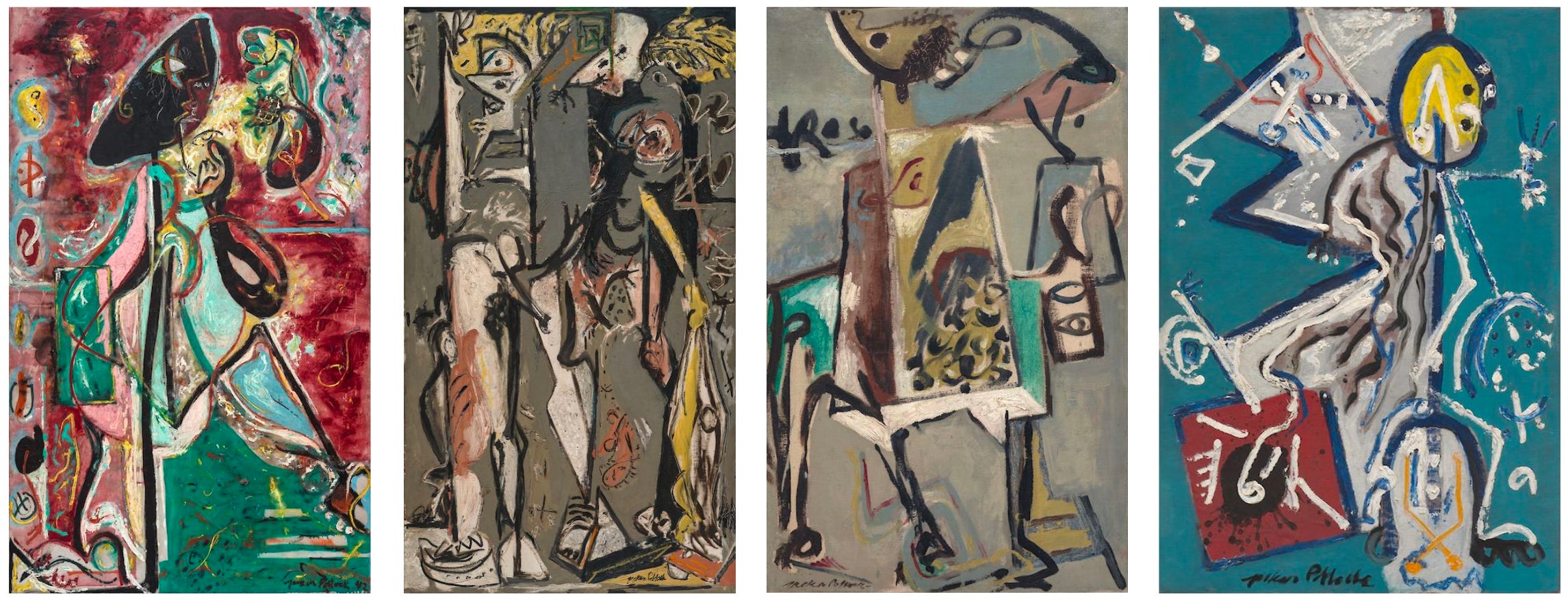
Peggy Guggenheim, an American collector, gallerist, and art patron, played a pivotal role during this cycle. An heiress to a mining fortune, Guggenheim became one of the most influential art patrons of the 20th century. She was fearlessly committed to avant-garde art at a time when many collectors were still rooted in more traditional forms. Through her gallery Art of This Century in New York, she promoted the works of numerous Abstract Expressionist artists, including Jackson Pollock, Willem de Kooning, and Max Ernst (whom she married). Her collection, now housed in the Guggenheim Museum in Venice, includes many masterpieces of modern art. Guggenheim's commitment to the unfamiliar and the groundbreaking set a precedent for future collectors and helped to establish modern art's place in the art market.
Another influential figure was Sidney Janis. Janis, a successful clothing manufacturer turned art collector and dealer, was instrumental in promoting Abstract Expressionism. In 1948, he opened the Sidney Janis Gallery in New York, which quickly became a leading venue for contemporary art. Janis was known for his ability to identify and nurture talent. His approach was distinctive because he positioned his gallery as a mediator between avant-garde artists like Pollock, de Kooning, and Kline and an often-skeptical public, making modern art more accessible and appealing to collectors. He successfully bridged the gap between artists and collectors, fostering a greater appreciation for modern art.
Betty Parsons, an artist herself and known as the "den mother" of Abstract Expressionism, also played a crucial role in the Post-WWII art market surge. She operated the Betty Parsons Gallery, which represented many leading Abstract Expressionists, including Pollock, Mark Rothko, and Barnett Newman. Parson's novelty lay in her unwavering belief in her artists, often sticking with them even when their work was not selling well. Her artist-centric approach, coupled with her intuitive understanding of abstract art, allowed her to introduce and establish some of the era's most important artists.
The 1940s and 1950s were marked by increased interest in art as a collectible and an investment. The dominance of Abstract Expressionism, the shift of the art world center from Europe to the United States, and the rise of influential collectors and gallerists all contributed to the Post-WWII art market surge. The passion, risk-taking, and discerning eyes of these collectors and gallerists not only made them successful but also helped to shape the future of the art market.
Recession (1970s)
The 1970s marked a challenging period for the global economy, with the oil crisis and other economic factors leading to a recession. The art market was not immune to these financial hardships, experiencing a decline in sales volume and an overall slowdown. However, despite the less favorable economic climate, this period was crucial in shaping the modern art market and collectors' perspectives.
During the 1970s, conceptual art and minimalism were the dominant movements. Many collectors found these styles difficult to understand or appreciate, contributing to a somewhat stagnant market. Despite this, a few far-sighted collectors saw potential in these avant-garde art forms, recognizing that these pieces could become valuable over time. The artists themselves often challenged the traditional market structure, with some like Seth Siegelaub even attempting alternative models like artists' contracts.
Among the collectors, Robert Scull stood out. Alongside his wife, Ethel, Scull collected works by artists such as Jasper Johns, Robert Rauschenberg, and Andy Warhol. They often bought directly from artists and dealers, focusing on emerging talents. Scull was known for his shrewdness and was unafraid to sell works to buy others, making him an influential figure in this period.
Virginia Dwan is another significant gallerist from this period. Her galleries in Los Angeles and New York were instrumental in promoting minimalism and earthworks. She supported artists like Robert Smithson and Michael Heizer, often funding their large-scale outdoor projects. Despite the economic downturn, Dwan remained dedicated to promoting these groundbreaking art forms.
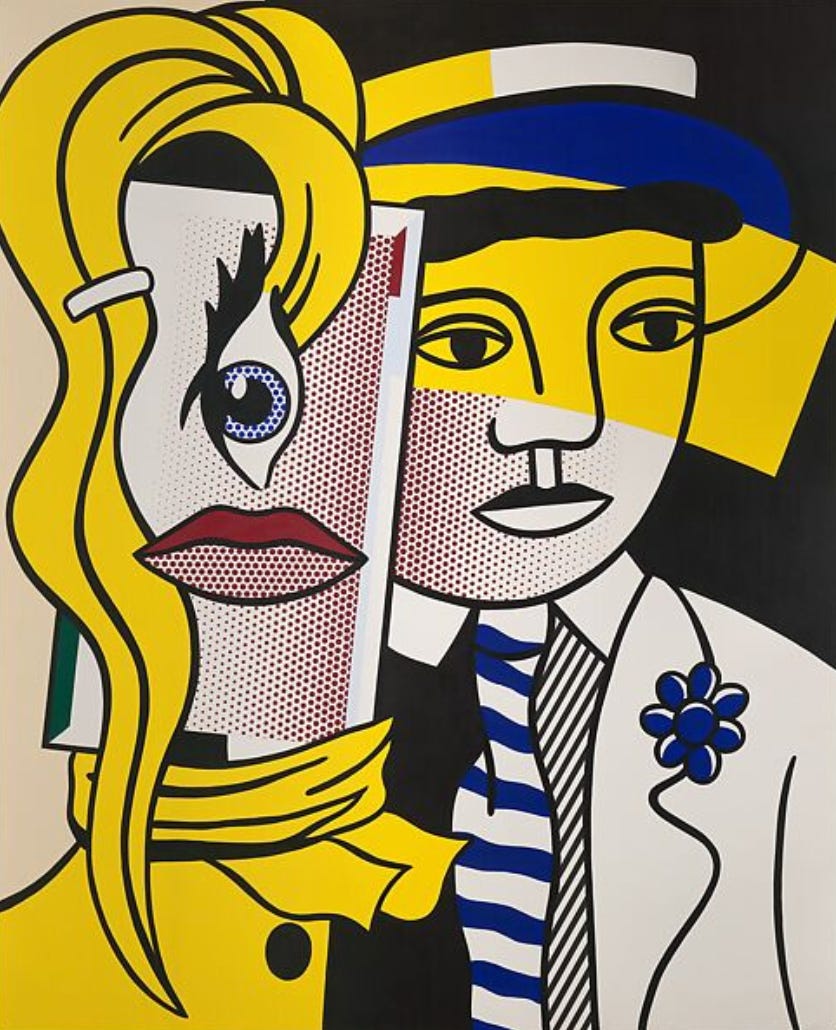
Among art dealers, Leo Castelli was the most dominant figure whose influence and innovation shaped the trajectory of the modern art world. Castelli opened his New York gallery in 1957, and throughout the 1960s and 70s, he introduced and promoted artists who would become some of the most influential figures of the 20th century, such as Jasper Johns, Robert Rauschenberg, Roy Lichtenstein, and Andy Warhol.
Castelli was unique in that he offered his artists a stipend or 'retainer', providing them with financial security and allowing them the freedom to create without the immediate pressure of sales. This was a significant departure from the standard model where artists were typically paid after sales were made. It allowed artists to focus on their work and was a sign of Castelli's long-term commitment to their careers.
His innovative gallery practices also included what are now considered standard industry norms, such as holding solo exhibitions for artists and publishing exhibition catalogs. These practices helped to build the reputation of his artists and place their work in a broader artistic and intellectual context.
Castelli was also noted for his ability to cultivate collectors and create a market for his artists. He was known for his charm and persuasive ability, educating his collectors about the importance and value of the art he was selling. In doing so, he fostered a community of dedicated collectors who were willing to invest in the new and often challenging art that his gallery championed.
The key to Castelli's success was building long-term relationships with his artists and investing in rising talent. His innovative gallery practices demonstrate the value of presentation and context in selling art. His ability to cultivate and educate collectors underscores the importance of understanding and shaping the art market. Lastly, Castelli's willingness to break with tradition and take risks illustrates the potential rewards of innovation in the art world.
In many ways, Leo Castelli redefined the role of the art dealer. His influence remains evident in the practices of many contemporary galleries, and his legacy serves as a model for those interested in the business of art.
The 1970s art market, while challenging due to the recession, proved to be a transformative period. It pushed the boundaries of art and tested the resilience of the market. Key figures like Robert Scull, Leo Castelli, and Virginia Dwan, through their innovative approaches and dedication to supporting artists, navigated this period successfully. Their actions during this time offer important lessons for aspiring collectors - that value can be found in difficult times, and that supporting innovative artists can lead to significant long-term rewards.
Boom and bust (1980s)
The 1980s was a decade of significant transformation for the art market. Characterized by a rapid expansion in the early years followed by a sharp contraction towards the end, this period holds important lessons about the cyclical nature of the art world.
The early 1980s were marked by an influx of new money into the art market. Economic prosperity, particularly in the United States and Japan, led to the emergence of a new class of wealthy collectors. These collectors were drawn to the art market not just for the cultural prestige it offered, but also for the potential financial gains. Art became seen as an investment asset, and prices for contemporary and modern art skyrocketed.
This period of prosperity, however, was short-lived. By the end of the decade, the art market experienced a significant crash, in part due to broader economic instability. Over-speculation and overpricing led to a market correction that saw a sharp decline in art sales and prices.
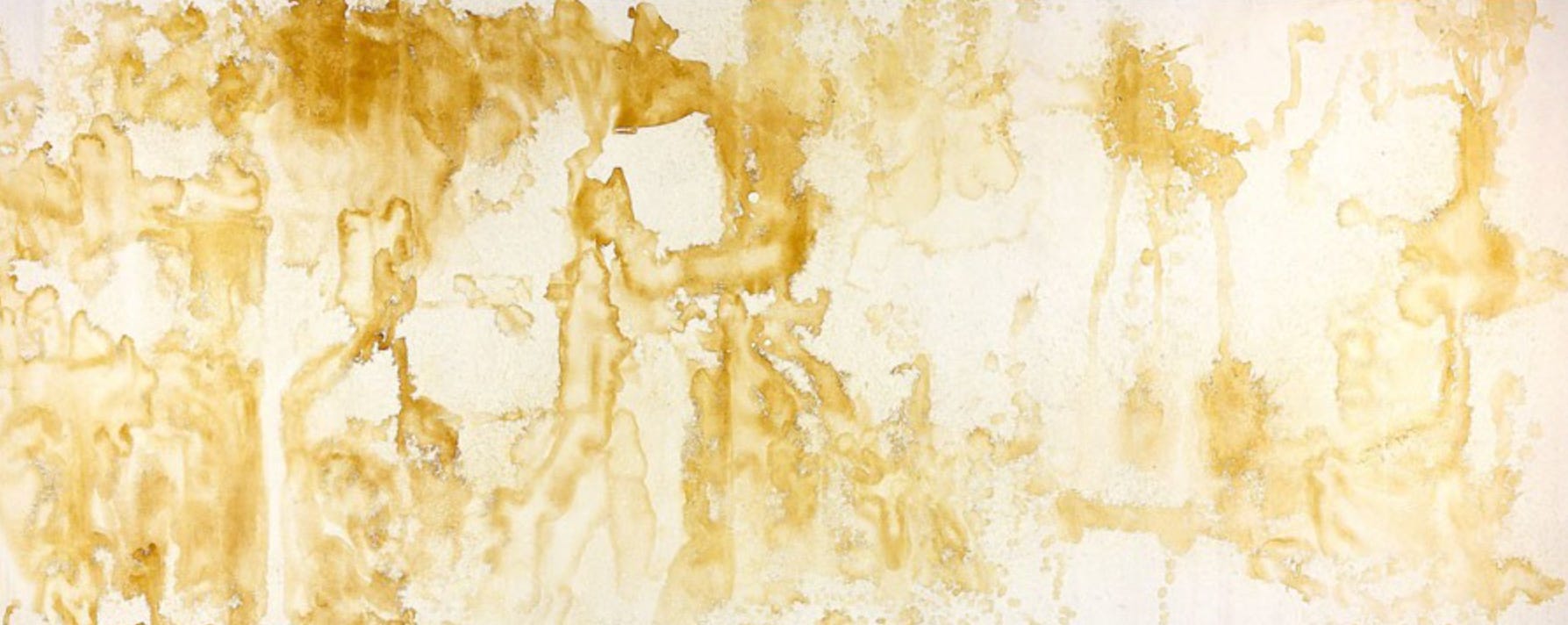
A key figure who navigated this boom-and-bust cycle successfully was the gallerist Larry Gagosian. Gagosian, often referred to as the most powerful art dealer in the world, has had a significant impact on the global art market. His journey in the art world began in Los Angeles in the late 1970s, and he rose to prominence in the 1980s, defining the era's art market with his aggressive and business-savvy approach.
Unlike Leo Castelli who was artist-centric, Gagosian focused predominantly on serving collectors. Known as Go-Go, Gagosian could obtain any artwork upon request and fetch the highest price, taking an enormous commission for connecting buyers and sellers. Gagosian had a grand global vision. He expanded his gallery operations internationally, opening spaces in key art market cities such as New York, London, and Paris. This global network allowed him to tap into a broader collector base and cater to the growing trend of international art collecting.
Gagosian also embraced a wide range of artists and styles, from established masters like Pablo Picasso and Andy Warhol to contemporary stars like Jeff Koons and Damien Hirst. His willingness to deal in both primary and secondary markets allowed him to capitalize on various segments of the art market.
Furthermore, Gagosian approached art dealing with a business acumen that was somewhat unprecedented in the art world. He employed strategies such as staging museum-quality exhibitions in his galleries and brokering major private sales. His ability to manage relationships with both artists and collectors and his knack for setting and riding trends made him particularly successful.
Mary Boone was another influential gallerist during this period. Her gallery, opened in 1977, was at the heart of the 1980s art scene. She represented artists like Basquiat and Schnabel, helping to propel them to international fame. However, unlike Gagosian, Boone's gallery was significantly affected by the market crash in 1990, showing the potential risks of over-reliance on a particular segment of the art market.
Overall, the 1980s art market boom and bust cycle is a stark reminder of the risks and rewards in the art market. It emphasizes the importance of understanding market dynamics, diversifying investments, and recognizing the potential volatility of the art market. The actions of dealers like Gagosian and Boone during this period offer valuable insights for collectors navigating the complex art market landscape.
Dot-com boom (1990s-2000s)
The Dot-Com boom of the late 1990s and early 2000s, which generated considerable wealth, had a significant impact on the art market. This new generation of tech entrepreneurs began to invest in art, introducing fresh tastes and a different approach to collecting.
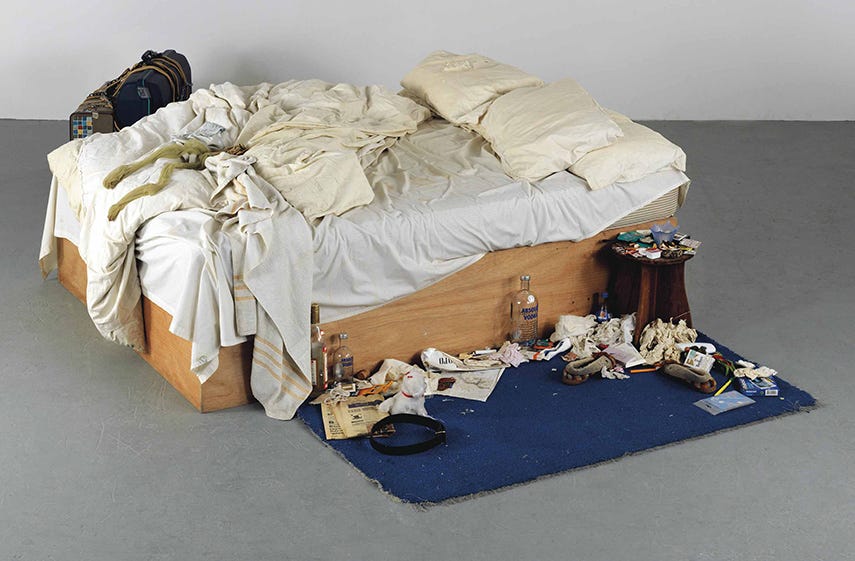
The Dot-Com boom coincided with a surge in the popularity of contemporary art, which appealed to these new collectors' desire for innovative and provocative works. The focus was largely on the Young British Artists (YBAs), a loosely affiliated group known for their shock tactics and entrepreneurial spirit. Their high-profile, media-friendly acts, such as Damien Hirst's preserved animals and Tracey Emin's unmade bed, appealed to collectors interested in acquiring 'talking piece' artworks.
Among collectors, Eli Broad stood out. A businessman who made a fortune in housing and insurance, Broad started collecting contemporary art in the 1990s and quickly became one of the most influential figures in the art world. His Broad Collection includes over 2,000 works, many of which are loaned to museums.
On the dealer side, Jay Jopling, founder of the White Cube gallery, was particularly influential. A key supporter of the YBAs, Jopling represented artists like Hirst and Emin, helping them reach a global audience. Jopling's White Cube gallery became synonymous with the cool, conceptual work of the YBAs and their commercially savvy approach.
The impact of the Dot-Com boom on the art market underscores how new wealth can shift market dynamics and shape artistic trends. The success of collectors like Broad and dealers like Jopling and Gagosian demonstrates the importance of being open to new artists and movements, and the value of building strong relationships with artists. Their influence also shows the role that key individuals can play in driving and promoting new trends in the art market.
Contemporary art market in the 21st century (2000s-present)
The art market of the 21st century has been shaped by several factors including globalization, the rise of online sales, and the increasing influence of emerging markets. Despite periodic economic downturns, the upper echelon of the art market has shown remarkable resilience, with record-breaking sales for both classic and contemporary works.
Collectors' perception of art has evolved over the past two decades. There is an increased acceptance and understanding of the diverse forms that contemporary art can take. Additionally, art has solidified its place as a valid and potentially lucrative investment asset. The growing influence of emerging markets, particularly in Asia and the Middle East, has also brought new collectors into the fray, broadening the scope and reach of the art market.
Amidst the Global Financial Crisis, the art market took a severe dive. Sales plunged over 40% in 2009 compared with a market peak of $66 billion in 2007. Contemporary art was particularly badly hit, with sales in that category plunging almost 60%. Yet to the surprise, even astonishment, of some observers, the art market soon started a rapid return to rude health. By 2011 the value of sales had almost reached the record level of 2007, and they have remained between $56 billion and $68 billion in the years since.
The make-up of the market changed. The mid-level — defined as works selling between $50,000 and $1 million — was sluggish, and a large number of medium-sized and smaller galleries were shuttered. However, the high-performing top end exploded, fueled by the battle of billionaires to acquire trophy works by a few “brand name” artists.
The top 10 most expensive paintings of all time were sold in the 2010s at eye-watering prices above $165 million. They include works by da Vinci, Picasso, Rothko, Cézanne, Gauguin, de Kooning and Modigliani. Even when inflation is taken into account, a painting such as Van Gogh’s “Portrait of Dr Gachet” (1890), often seen as the pinnacle of the art market excesses of 1990, doesn’t make the cut. Its price would be about $137 million when corrected to today’s values. The climax was, of course, the $450 million sale of Leonardo’s “Salvator Mundi” (c1500) at Christie’s in 2018.
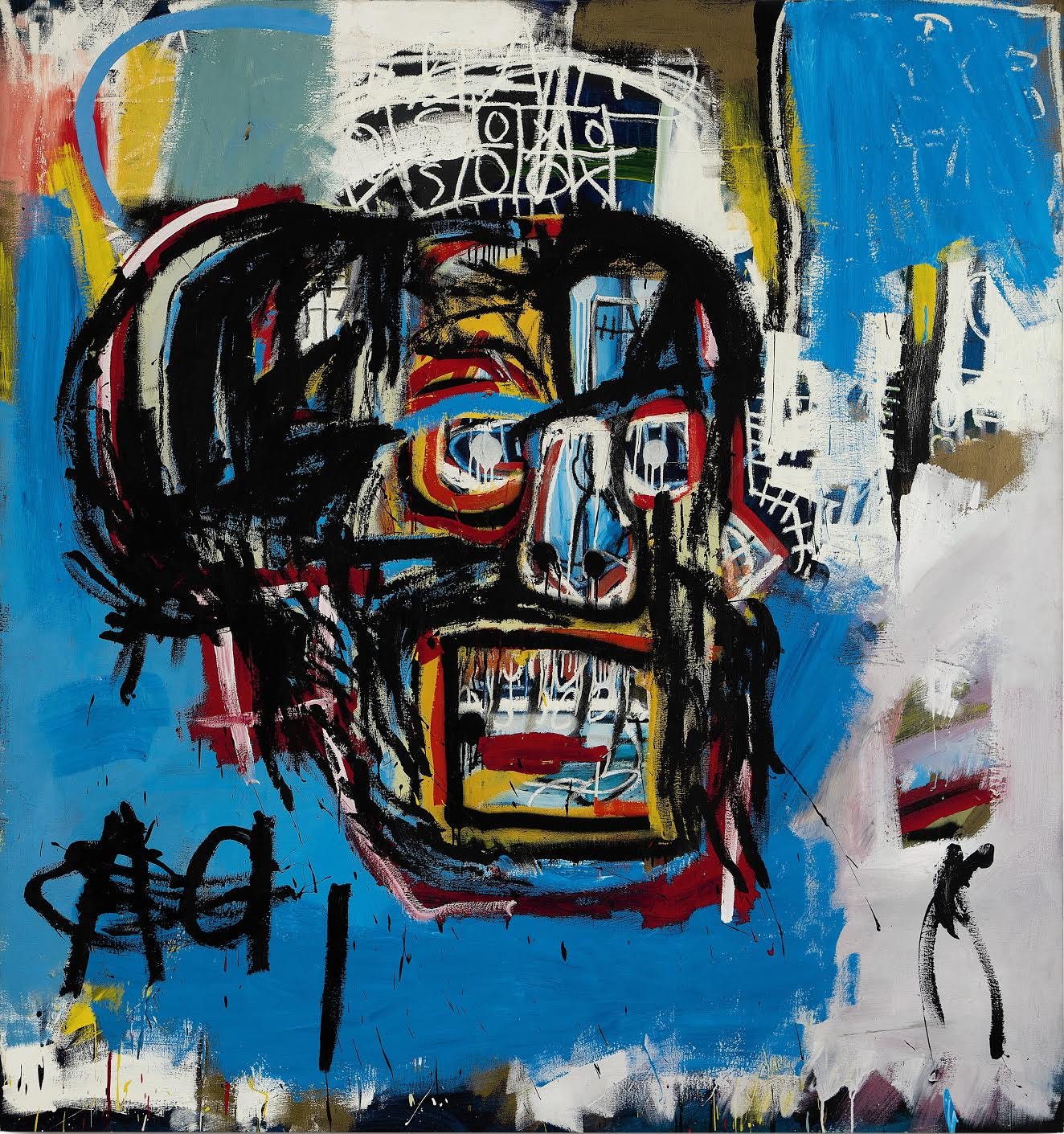
Asia was a major influence on the market. Asian buyers increased their spend by 50% throughout the 2010s and comprised more than 35% of global sales. Among the influential figures in the art world during this period is the Japanese collector Yusaku Maezawa. The founder of online fashion retailer Zozo, Maezawa has become known for his record-breaking purchases, including a Jean-Michel Basquiat painting he bought for $110.5 million in 2017. His approach to collecting, driven by passion and the desire to share art with the public, embodies the spirit of many 21st-century collectors.
Further fueling the high end has been the phenomenon of private museums, the playthings of billionaires. Some look like vanity projects, such as Filipino real estate mogul Robbie Antonio’s Museum of Me — boasting portraits of himself — while others contribute to the cultural life of their location, notably in places where the state cannot invest in the arts.
In summary, the early 21st-century art market is marked by globalization, the impact of technology, and an expanding collector base. The success of collectors like Yusaku Maezawa and dealers like David Zwirner and Larry Gagosian underline the importance of embracing these changes and adapting to the evolving dynamics of the art world. They demonstrate the benefits of a global outlook, an open mind towards diverse art forms, and the effective use of digital platforms in art collecting.
Select sources:
Boom: Mad Money, Mega Dealers, and the Rise of Contemporary Art, Michael Shnayerson